
Foundation cracks and settlement patterns
Most buyers walk through a home focused on cosmetic features like paint colors and updated kitchens, completely overlooking what lies beneath. Foundation problems can cost tens of thousands of dollars to repair, yet subtle warning signs often go unnoticed during initial property walkthroughs. Hairline cracks in basement walls, slight slopes in flooring, or doors that do not close properly can all indicate foundation settlement or structural movement that will demand immediate attention after closing.
During your walkthrough, examine the basement or crawl space walls carefully for diagonal cracks that extend from corners or windows. These patterns typically signal differential settlement, where one section of the foundation is sinking faster than another. Pay attention to horizontal cracks as well, which can indicate hydrostatic pressure from poor exterior drainage. Step outside and inspect the foundation perimeter for separation between the foundation and the home’s siding, or cracks in exterior brick veneer that form stair-step patterns along mortar joints.
In Alexandria and surrounding areas, clay-heavy soils expand and contract with seasonal moisture changes, placing constant stress on foundations. A pre-purchase home inspection will include detailed foundation assessment, using levels and moisture meters to document issues that are not visible to the untrained eye. Structural repairs can range from simple crack sealing at a few hundred dollars to complete foundation underpinning that exceeds $30,000. Understanding the severity before you make an offer protects you from inheriting a financial burden that could have been negotiated or avoided entirely.
Hidden moisture intrusion and mold growth
Water damage and mold growth hide in plain sight during property walkthroughs, concealed behind fresh paint, under new flooring, or within closed-off spaces buyers rarely think to investigate. The smell of mildew might be explained away as normal basement odor, while water stains on ceilings get dismissed as old, resolved issues. In reality, moisture intrusion is an ongoing threat that compounds over time, creating health hazards and costly remediation scenarios that can derail your investment within months of moving in.
Look closely at corners where walls meet ceilings, particularly in bathrooms, kitchens, and rooms directly below bathrooms on upper floors. Discoloration, soft drywall, or peeling paint all indicate active or recent water intrusion. Open every cabinet under sinks and inspect the base for warping, staining, or musty odors. Check window frames and sills for condensation stains, swelling, or dark spots that suggest chronic moisture exposure. In basements and crawl spaces, run your hand along the lower portion of walls to feel for dampness, and look for efflorescence (white, chalky deposits) that forms when water seeps through masonry.
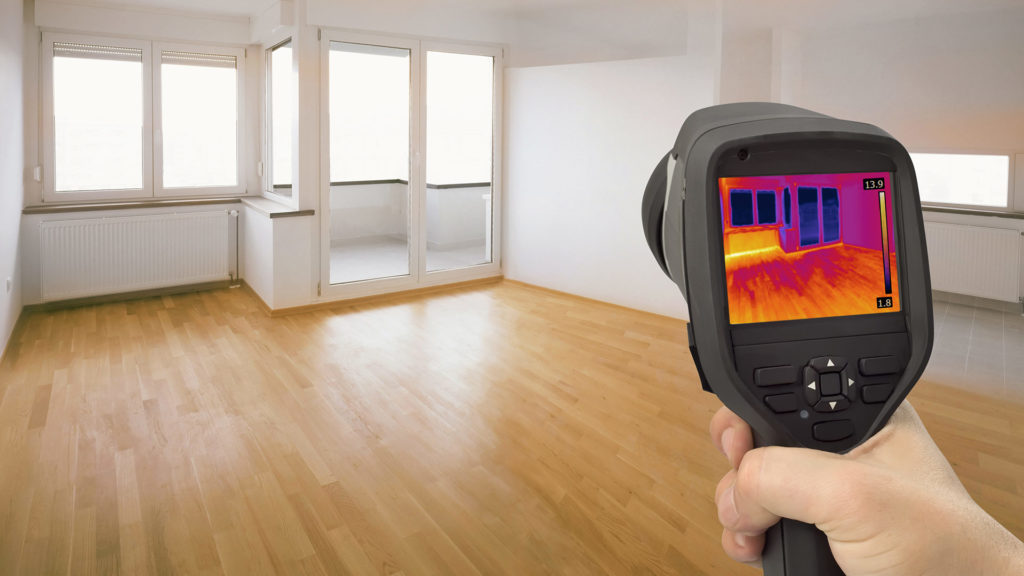
Mold inspection services use moisture meters and infrared imaging to detect hidden water sources that are invisible during a casual walkthrough. Identifying the source is critical, because surface mold removal without addressing the underlying moisture problem leads to recurrence within weeks. Mold testing can confirm the presence of harmful species and guide remediation efforts. In the humid climate of Northern Virginia, where summer moisture levels remain high and older homes may lack modern vapor barriers, a dedicated mold inspection often uncovers issues that a standard house inspection might note but not fully investigate. Remediation costs vary widely, from a few hundred dollars for isolated bathroom mold to $10,000 or more for extensive basement or attic contamination requiring professional containment and removal.
Outdated electrical systems and hidden fire hazards
Electrical deficiencies pose immediate safety risks, yet they rarely grab attention during walkthroughs because the lights turn on and the outlets appear functional. Beneath that surface-level performance, outdated wiring, undersized service panels, and amateur repairs create fire hazards that insurance companies increasingly refuse to cover. Homes built before 1980 in the Alexandria area often contain aluminum wiring, Federal Pacific or Zinsco panels known for failure, or knob-and-tube systems that cannot handle modern electrical loads. Replacing an entire electrical system can cost $8,000 to $15,000 or more, a figure that rarely appears in initial repair estimates.
Start your walkthrough by locating the main electrical panel, typically found in the basement, garage, or utility room. Check the panel label for the manufacturer; Federal Pacific Stab-Lok and Zinsco panels have documented histories of breaker failure and are considered significant safety concerns. Note the amperage rating on the main breaker, anything below 100 amps is inadequate for modern households with multiple appliances, HVAC systems, and electronics. Open the panel door if possible and look for signs of rust, scorch marks, or a burning odor, all indicators of overheating or moisture intrusion.
Walk through each room and count the outlets, then test a few with a phone charger or lamp to confirm they work. Pay special attention to two-prong outlets, which indicate ungrounded circuits that do not meet current safety standards. Look for extension cords used as permanent wiring solutions, multiple power strips daisy-chained together, or outlets and switches that feel warm to the touch. Property inspections include electrical system testing with specialized equipment to measure grounding, detect reversed polarity, and identify hidden hazards. Licensed inspectors can also determine if the service panel has capacity for future needs or if you will face immediate upgrades to support electric vehicle charging, additional HVAC zones, or home office equipment.
Aging HVAC equipment and ventilation deficiencies
Heating and cooling systems represent one of the largest replacement costs a homeowner will face, yet buyers often accept a seller’s assurance that the system works fine without investigating further. A functioning air conditioner on the day of your walkthrough tells you nothing about its remaining lifespan, efficiency, or whether it has been properly maintained over the years. HVAC systems in the Mid-Atlantic region work hard through humid summers and cold winters, and deferred maintenance accelerates wear. Replacing a full HVAC system typically costs $7,000 to $12,000, and emergency replacements during peak summer heat or winter cold often carry premium pricing and long wait times.
Locate the outdoor condenser unit and the indoor air handler or furnace during your walkthrough. Check the manufacturer label on each component for the installation date or serial number, which often encodes the manufacturing year. Systems older than 12 to 15 years are approaching the end of their expected service life and should be budgeted for replacement in the near term. Examine the area around the outdoor unit for rust, refrigerant stains (oily residue), or bent fins on the condenser coils, all signs of poor maintenance or damage. Listen for unusual noises when the system runs: grinding, squealing, or banging sounds indicate mechanical problems that will require repair or replacement.
Inside the home, inspect all return and supply vents for dust buildup, which suggests the filters have not been changed regularly. Remove a vent cover if possible and look into the ductwork with a flashlight, checking for visible mold, excessive dust, or disconnected sections. Ask when the system was last serviced professionally and request service records. A thorough home inspection includes HVAC performance testing, measuring temperature differentials, inspecting ductwork for leaks, and evaluating ventilation adequacy in bathrooms and kitchens. Poor ventilation contributes directly to moisture problems, mold growth, and indoor air quality issues that affect your family’s health and your home’s structural integrity.
Invisible radon gas accumulation
Radon is the single most overlooked hazard during property walkthroughs because it is completely undetectable without specialized testing. This odorless, colorless radioactive gas seeps into homes through foundation cracks, sump pump openings, and gaps around utility penetrations, accumulating to dangerous levels in basements and lower floors. Long-term radon exposure is the leading cause of lung cancer among non-smokers, and elevated radon levels have been documented throughout Northern Virginia, including Alexandria and surrounding communities. Radon testing is the only way to know if the home you are considering poses a health risk to your family.
You cannot see, smell, or sense radon during a walkthrough, which is precisely why so many buyers skip this critical step. Testing requires placing a monitor in the lowest occupied level of the home for a minimum of 48 hours under closed-house conditions. Short-term tests provide results within a few days, while long-term tests over 90 days offer more accurate average readings. If radon levels exceed the EPA action guideline of 4.0 picocuries per liter, radon mitigation services can reduce concentrations to safe levels, typically for $1,200 to $2,500 depending on the home’s construction and the mitigation system design required.
Make radon testing a contingency in your purchase agreement, especially if the home has a basement or is built on a slab foundation with direct soil contact. Even newly constructed homes can have elevated radon levels, as the gas originates from natural uranium decay in soil and bedrock, not building age. Radon inspections should be conducted by certified professionals using calibrated equipment to ensure accurate results. If elevated levels are found, radon mitigation systems install quickly and work effectively, venting the gas safely above the roofline before it can accumulate indoors. Skipping radon testing means gambling with your family’s health based solely on the assumption that the home is safe, a risk no buyer should take when simple testing provides definitive answers.